

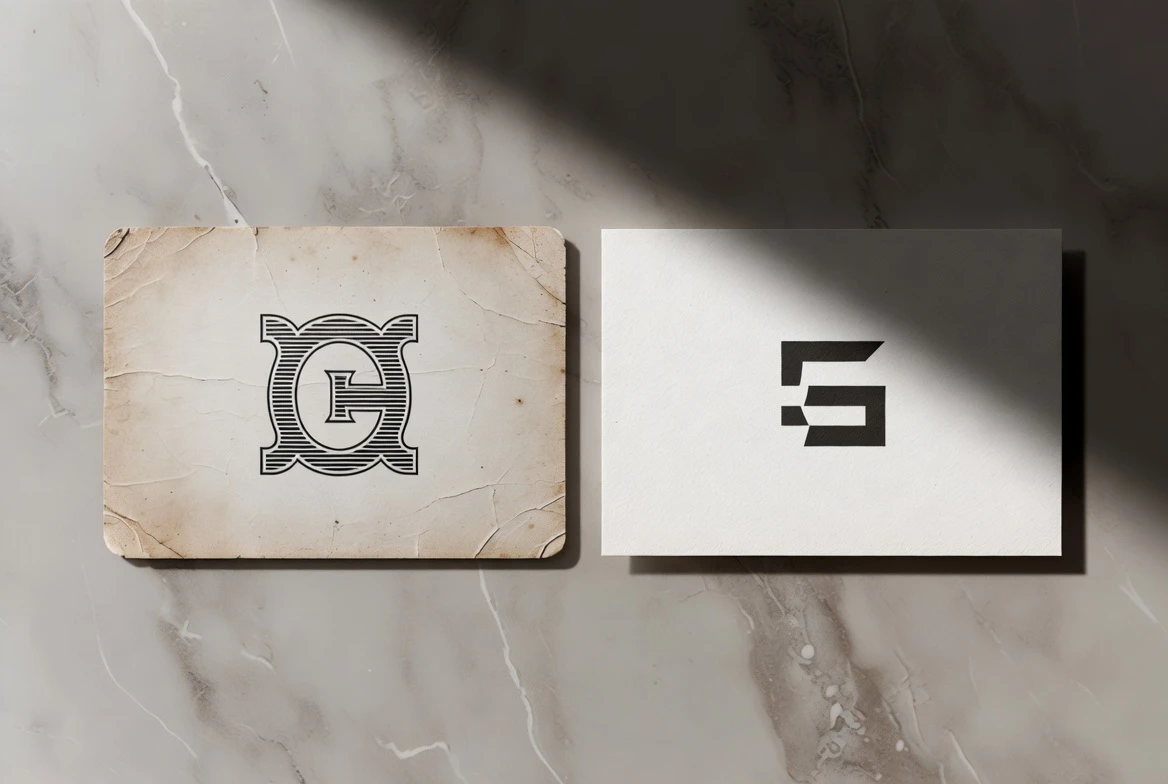
Most businesses don't rebrand because they want to. They rebrand because they have to — because something has changed, and the current identity no longer tells the right story. Knowing when to make that call is one of the most valuable strategic decisions a business owner can make.
Rebranding done at the right moment accelerates growth. Rebranding done reactively or for the wrong reasons wastes resources and confuses customers. Here are seven signs that the time is right.
Your Logo Was Made for Free (or Very Cheaply) Years Ago
There is nothing wrong with starting lean. Many successful businesses launched with a free Canva logo or a $5 Fiverr design. But that same logo becomes a liability as your business grows and you compete for customers who are comparing you to more established competitors.
If your logo was created without professional strategic thinking behind it, you may be asking customers to take you seriously while your visual identity quietly undermines that ask.
Your Business Has Evolved Beyond Your Original Vision
You launched as a local service provider and are now selling nationally. You started in one industry and have moved into another. You've added products or services that your original brand doesn't encompass. When there's a gap between what your brand says and what your business does, customers notice — even if they can't articulate why.
You're Embarrassed to Hand Out Your Business Card
This one is simple but telling. If you hesitate before handing over a business card, or apologise for how your website looks, or feel reluctant to send someone your logo — that discomfort is data. Your brand should make you proud, not self-conscious.
You Blend In with Competitors
Browse your industry and count how many logos look similar to yours. If the answer is "several," you have a differentiation problem. A brand that blends in forces customers to compete you on price rather than value, because there's no visual reason to choose you over anyone else.
You're Targeting a Different Customer
Customer profiles evolve. A brand built to attract young, price-sensitive consumers will feel wrong when you move upmarket. A brand designed for a local audience loses credibility when you go global. Your visual identity should speak directly to the customers you're trying to attract today, not the ones you were targeting when you launched.
A Merger, Acquisition or Major Partnership Has Changed Your Identity
If your business structure has changed significantly, your brand may need to follow. A merger that creates a combined entity, a white-label partnership that requires co-branding, or an acquisition by a larger company all create legitimate reasons to revisit your visual identity from the ground up.
Your Brand Has Negative Associations You Need to Move Past
Sometimes a business needs to put distance between itself and past problems — a product recall, a PR incident, a change in leadership. A rebrand can signal a genuine fresh start to customers, partners and staff. It works best when paired with real change, not used as a cosmetic cover for ongoing problems.
How to Rebrand Without Losing What Works
Rebranding doesn't always mean starting from zero. The best rebrands preserve what's already working — brand recognition, colour associations, a beloved element — while updating what's holding the business back. Before briefing a designer, define clearly: what do you want to keep, and what must change?
Be deliberate about the rollout too. A phased transition gives your existing customers time to adjust. Update your highest-traffic touchpoints first (website, social, signage), then work outward to printed materials.
Time for a fresh start?
Professional rebrand packages starting from $29. Our designers work with you to build an identity your business can grow into. 100% Money Back Guarantee.
See Packages